California Annulments
What Is An Annulment?
An annulment, also called a Decree of Invalidity or Judgement of Nullity, is a court order declaring that a marriage is invalid for reasons existing at the time of the marriage. If an annulment is granted, it will be as though the marriage never happened.
Different states have different rules for qualifying for annulment. They’re often similar and based on comparable statutes, but they do diverge in certain specific ways.
How Do You Qualify For An Annulment In California?
Fraud. Misrepresentations of this nature include a variety of potential elements, including:
- The intention to never live with the other spouse.
- The promise to have children without the intention to do so.
- Concealing a criminal record.
- Hiding a sexually transmitted disease.
- Covering up impotence or sterility.
- The intent to enter the marriage solely to obtain a green card.
Divorce is by far the more common choice, even in these circumstances. The biggest reason is that you almost always have to meet specific qualifications to obtain an annulment.
Related Reading: Pro Se: A Closer Look At DIY Divorce
Divorce Vs Annulment
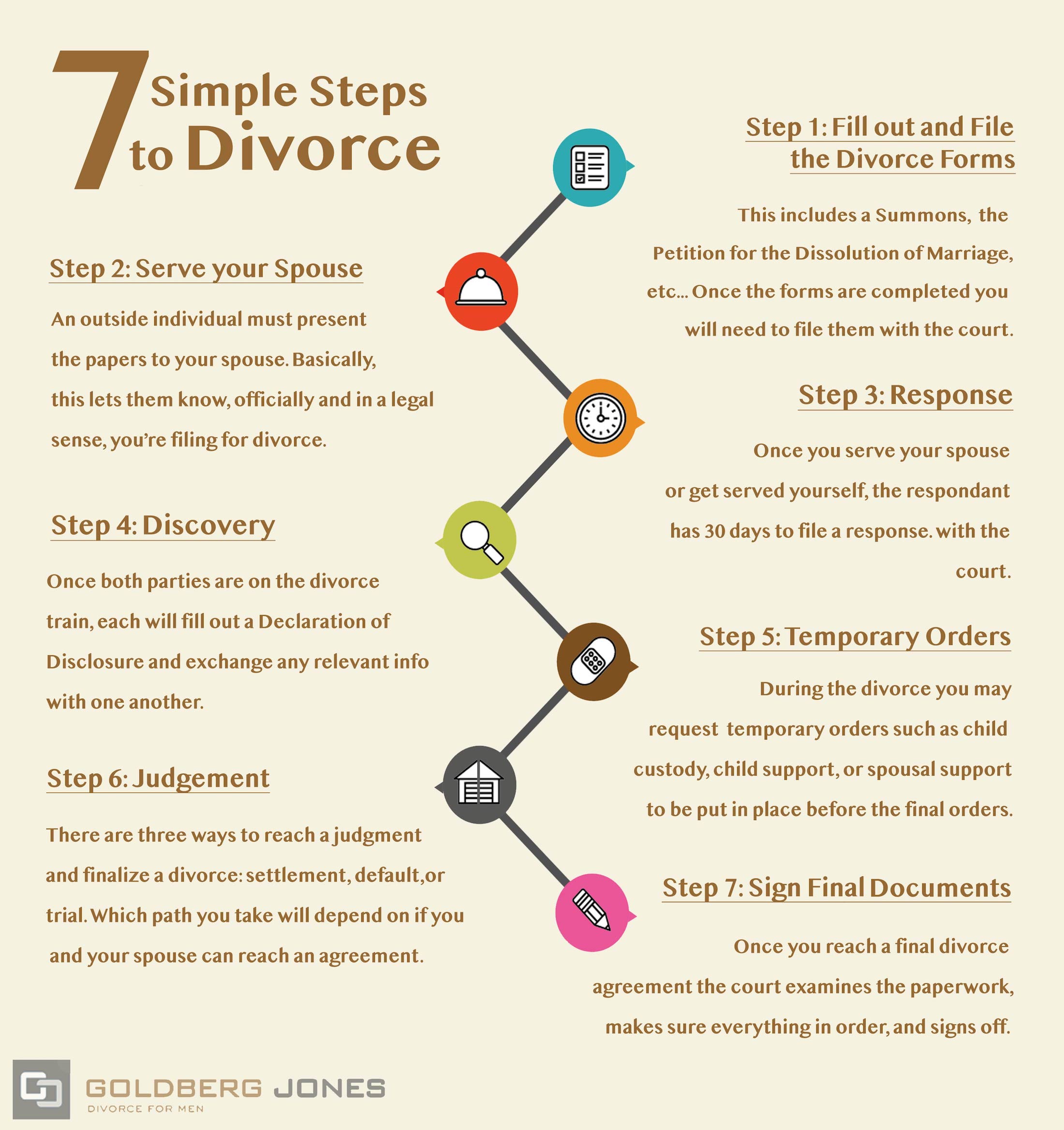
One of the most significant advantages of annulment is the time it saves. Most states require a waiting period before a divorce can be granted. This means you have to wait a minimum amount of time between filing the paperwork and your divorce becoming final.
In California, the waiting period for divorce is six months. When it comes to annulment, however, you are legally divided the day the court rules on your annulment.
Another advantage is that courts often look kindly on people seeking legitimate annulments. These may be cases in which one party has been misled, lied to, defrauded, or otherwise wronged.
When facing a choice between divorce and annulment, you have many factors to consider. But if you do meet the criteria and qualify for an annulment, it’s often to your advantage to choose that option.
Item of Note: