
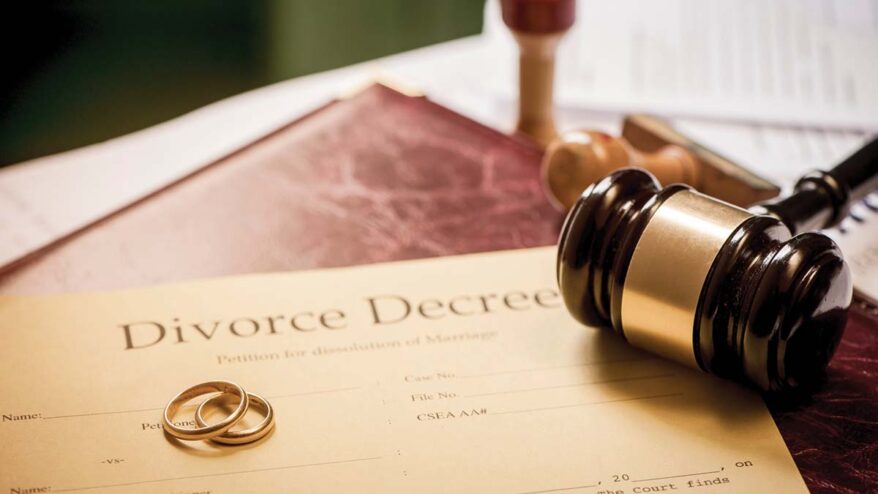
Many different kinds of decrees exist. For example, presidential decrees. Or religious decrees, which generally have to do with disciplinary acts or clarification of doctrine. There are the decrees that parents issue in regard to household rules, and decrees issued by the human resources department of the company you work for. But what’s a divorce decree? If you end a marriage, this is an important one.
What is a Divorce Decree?
The word “decree” refers to any proclamation issued with authority or under law. In the world of family law, a divorce decree simply refers to the court’s final ruling and judgment order that officially terminates a marriage.
The divorce process doesn’t end until the court issues a divorce decree.
In other words, your status as married or divorced isn’t final until you complete this step. Incomplete divorce proceedings may affect various areas, including debt, taxes, property ownership, employment benefits, and other legal rights.
Each divorce decree looks different, but in general, it summarizes each party’s rights and duties in connection with the divorce.
What’s In A Divorce Decree?
A few of the issues and topics typically addressed in a divorce decree include:
- Alimony or spousal support.
- The financial obligations of each party, such as the assignment and/or division of debt responsibility.
- Custody of minor children.
- Child support.
- Visitation rights.
- Division of property.
This document also lays out the basic facts of your divorce, including the case number. If you need information about your divorce, look here.
Related Reading: Are Divorce Records Public?
Is a Divorce Decree Enforceable?
A divorce decree legally binds both parties to keep the terms of the divorce.
The court approved the specifics and possesses the authority to enforce each term. If your ex violates the divorce decree, you can return to court to bring the issue before the judge.
Judges impose penalties for violations, which include holding the violating spouse in civil contempt of court.
Judges also order modifications due to violations. For instance, if your ex continuously flaunts the terms of your visitation agreement, a judge can modify parenting time based on the best interests of the child.
Divorce Decree Vs. Certificate Vs. Record
A divorce decree should not be confused with a divorce certificate or full record. A certificate serves as basic legal proof that you’re no longer married. It, however, doesn’t contain the more granular details of the split. A divorce record refers to the entire case file pertaining to legal proceedings.
You use a divorce certificate for various legal purposes. A common example is changing your legal name with the Department of Motor Vehicles (DMV) on a driver’s license.
Related Reading: Bankruptcy Or Divorce: Which Do You File First?
